

Empowering ESL Students Through Creative Arts and Crafts Activities in Elementary Education
Learning a new language can be challenging for young children, especially when English is not their first language. Elementary school ESL programs play a crucial role in helping these students build confidence and fluency. One of the most effective ways to support language development is through creative arts and crafts activities. These hands-on experiences engage children, making learning enjoyable and meaningful while strengthening their English skills.
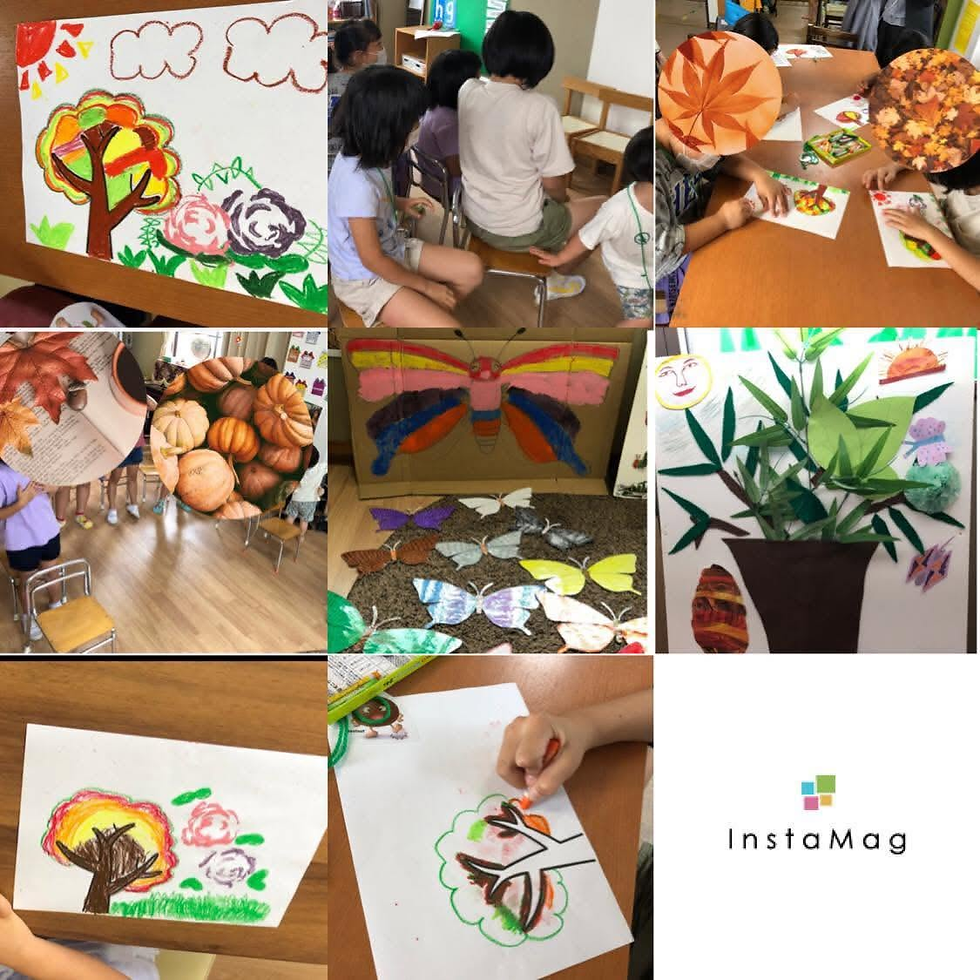
How ESL Programs Build Confidence and Fluency
Elementary ESL programs focus on creating a supportive environment where children feel safe to practice English. Confidence grows when students can express themselves without fear of mistakes. Fluency develops through repeated exposure and practice in listening, speaking, reading, and writing.
Teachers use a variety of methods to encourage communication, including:
Interactive storytelling
Group discussions
Role-playing games
Visual aids and multimedia
Arts and crafts activities fit naturally into this approach by providing a low-pressure way for students to use English in context. When children create something tangible, they connect words to actions and objects, which helps deepen understanding.
The Role of Arts and Crafts in Language Learning
Arts and crafts encourage creativity, fine motor skills, and cognitive development. For ESL learners, these activities also:
Introduce new vocabulary related to colors, shapes, and materials
Reinforce language structures through instructions and descriptions
Promote social interaction and collaboration
Provide opportunities for storytelling and sharing ideas
By integrating arts and crafts into ESL lessons, educators tap into multiple learning styles. Visual learners benefit from seeing and creating images, kinesthetic learners engage through hands-on work, and auditory learners improve by listening to instructions and discussing their projects.

Specific Activities That Promote Language Skills
Here are some examples of arts and crafts activities that support English language development in elementary ESL students:
1. My Favorite Animal Collage
Students cut out pictures of animals from magazines or draw their own. They label each animal with its name and write simple sentences like "I like cats" or "Dogs are friendly." This activity builds vocabulary and sentence structure.
2. Storybook Creation
Children create their own picture books using drawings and short sentences. They practice sequencing by arranging pages in order and use descriptive language to tell their story. This encourages writing skills and narrative fluency.
3. Emotion Masks
Students make masks representing different feelings such as happy, sad, or surprised. They then use the masks in role-play to practice expressing emotions and using related vocabulary. This helps with speaking and emotional literacy.
4. Seasonal Craft Projects
Crafts related to seasons or holidays introduce thematic vocabulary. For example, making paper snowflakes while learning words like "cold," "winter," and "snow." Teachers can guide students to describe their creations using full sentences.
5. Labeling Classroom Objects
Students create labels for items around the classroom using colorful paper and markers. This reinforces vocabulary and helps children associate English words with real objects in their environment.
Benefits of a Creative Approach to Language Learning
Using arts and crafts in ESL education offers several advantages:
Increased Engagement: Children are more motivated when lessons are fun and interactive.
Improved Retention: Hands-on activities help students remember new words and concepts better.
Enhanced Communication: Group projects encourage speaking and listening practice.
Boosted Confidence: Completing creative tasks gives students a sense of achievement.
Cultural Expression: Arts allow children to share their backgrounds and learn about others.
This approach also reduces anxiety around language learning. When students focus on creating, they are less worried about making mistakes and more focused on expressing themselves.
Tips for Educators and Parents
To maximize the benefits of arts and crafts in ESL learning, consider these practical tips:
Use simple, clear instructions and demonstrate each step.
Introduce new vocabulary before starting the activity.
Encourage students to describe their work in English.
Create opportunities for group collaboration and discussion.
Display finished projects to celebrate students’ efforts.
Adapt activities to different skill levels and interests.
Parents can support learning at home by providing basic craft supplies and engaging children in English conversations about their creations.


Comments